SpaceX’s Rocket Fueling Practices Pose a Concern for NASA
Cernescu Andrei / 7 years ago
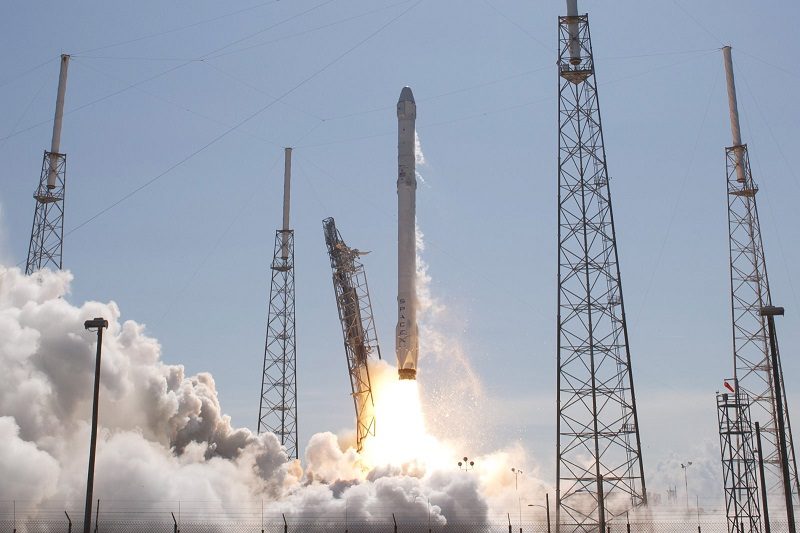
Even though SpaceX has made great progress when it comes to the reliability of its rockets and the safety of astronauts, it would appear that there are still a few NASA members who doubt the company’s fueling practices. To clarify, we’re talking about Falcon 9 rockets and the fact that they need to be supplied with supercooled fuel just 30 minutes before launch, which means that they need to be fueled with the crew on board. Sources indicate that there’s a letter from 2015 showing a series of concerns expressed by an International Space Station committee when it comes to SpaceX’s planned fueling strategy. Apparently, the aforementioned plan goes against “50 years” of booster safety practices around the world, and it looks like the committee actually raised the question once more just a few days before SpaceX’s launch pad explosion.
SpaceX has been working with NASA on a “detailed analysis” of every possible danger for about a year and a half now, and back in July, its safety systems were fully approved by NASA. The main failsafe comes in the form of a Crew Dragon launch abort system, which would save astronauts in the event of a fueling failure. The concerns that we mentioned before won’t stop SpaceX from moving forward with its plans, but the company will likely need to prove that its fueling process, although different from the norm, is not necessarily more dangerous. It’s likely that all concerns will vanish if/when the company actually manages to fulfil its end goal of sending people to space.
“SpaceX has designed a reliable fueling and launch process that minimizes the duration and number of personnel exposed to the hazards of launching a rocket. As part of this process, the crew will safely board the Crew Dragon, ground personnel will depart, propellants will be carefully loaded over a short period, and then the vehicle will launch. During this time the Crew Dragon launch abort system will be enabled. Over the last year and a half, NASA and SpaceX have performed a detailed analysis of all potential hazards with this process. The hazard report documenting the controls was approved by the NASA’s Safety Technical Review Board in July 2016. As with all hazard analyses across the entire system and operations, controls against those hazards have been identified, and will be implemented and carefully verified prior to certification. There will be continued work ahead to show that all of these controls are in place for crewed operations and that the verifications meet NASA requirements. These analyses and controls will be carefully evaluated in light of all data and corrective actions resulting from the anomaly investigation. As needed, any additional controls will be put in place to ensure crew safety, from the moment the astronauts reach the pad, through fueling, launch, and spaceflight, and until they are brought safely home.”