Intel Optane SSD 900p 280GB PCIe NVMe SSD Review
AIDA64
AIDA64 is a streamlined Windows diagnostic and benchmarking software for home users with a broad range of features to assist in overclocking, hardware error diagnosis, stress testing, and sensor monitoring.
The app has unique capabilities to assess the performance of the processor, system memory, and disk drives and is compatible with most Microsoft Windows operating systems. It also has a disk benchmark tool, and that is the one I’ll be using.
Fresh Drive
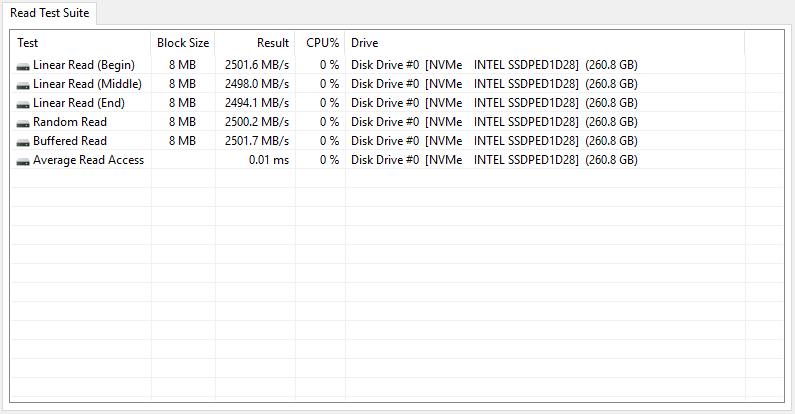
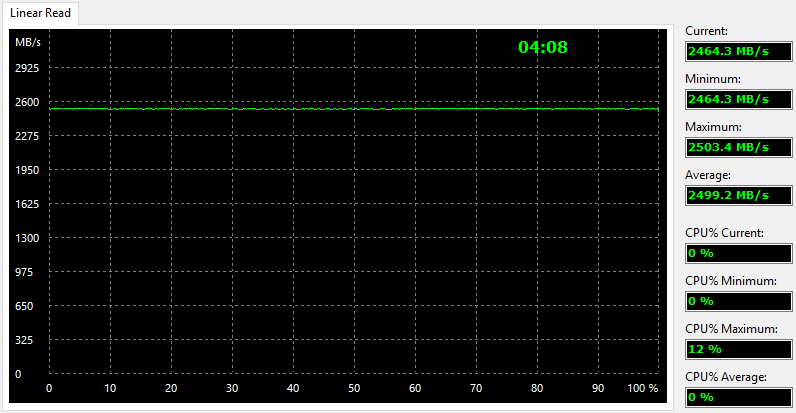
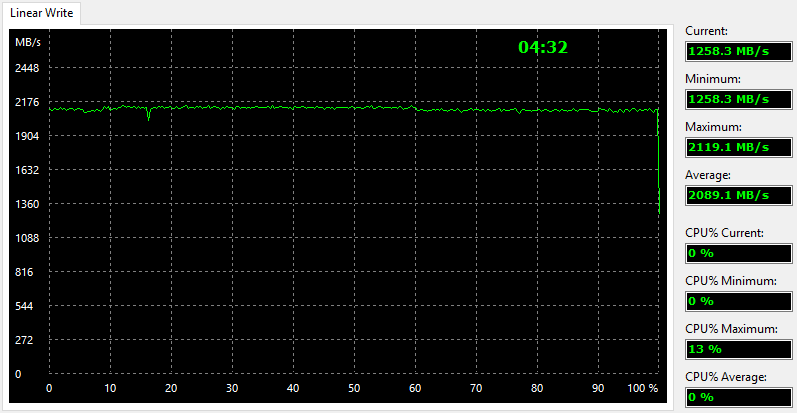
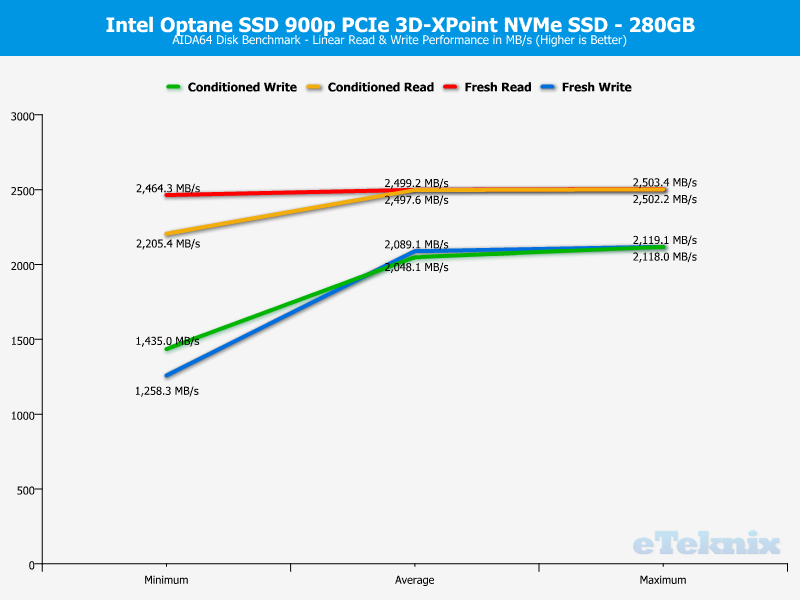
The Linear Read and Write tests measure the sequential performance by reading or writing all sectors without skipping any. It gives us a view of the drives overall performance from start to end.
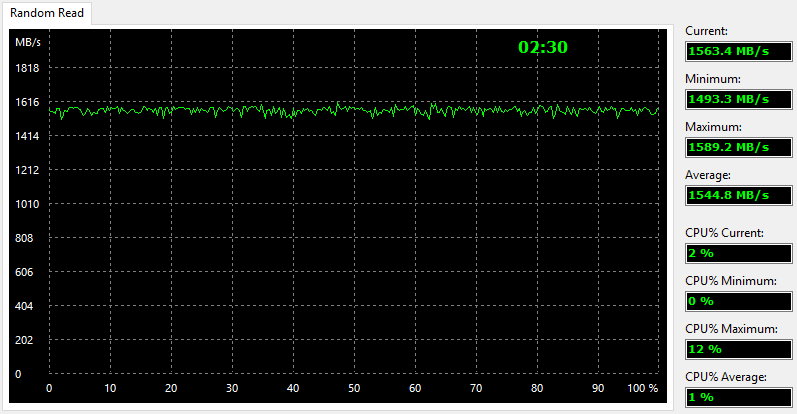
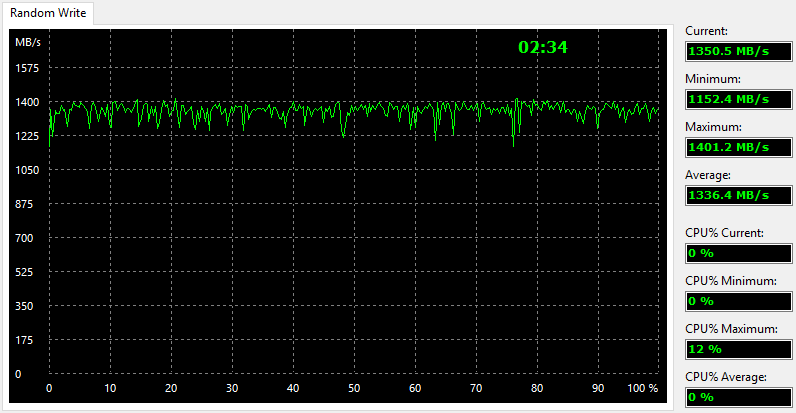
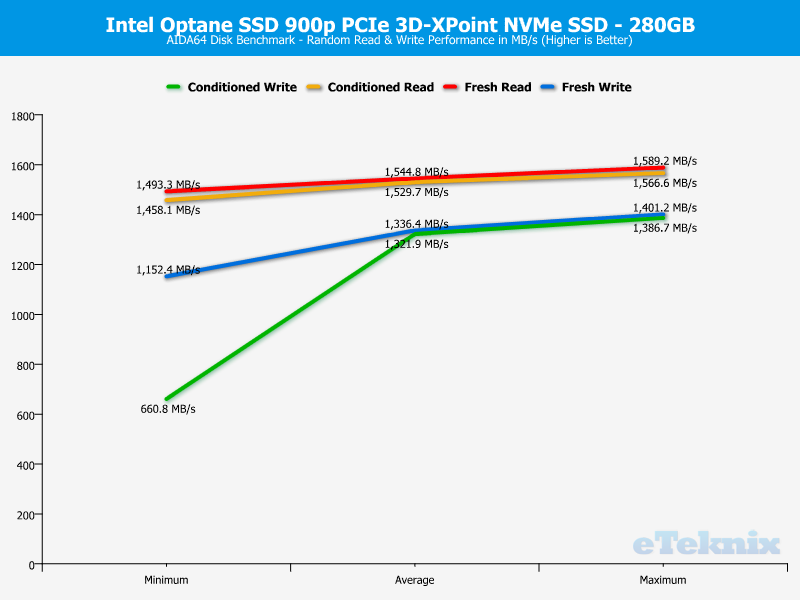
The Random Read and Write tests measure the random performance by reading or writing variable-sized data blocks at random locations on the surface of the drive. The Random tests are a combination of both speed and access times as it moves the position before each new operation.
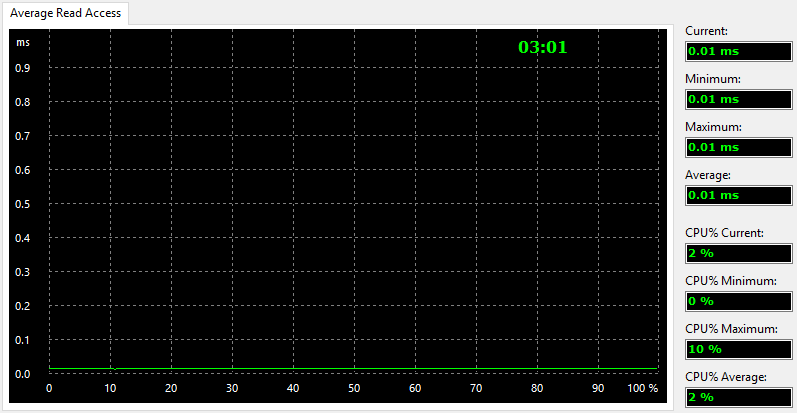
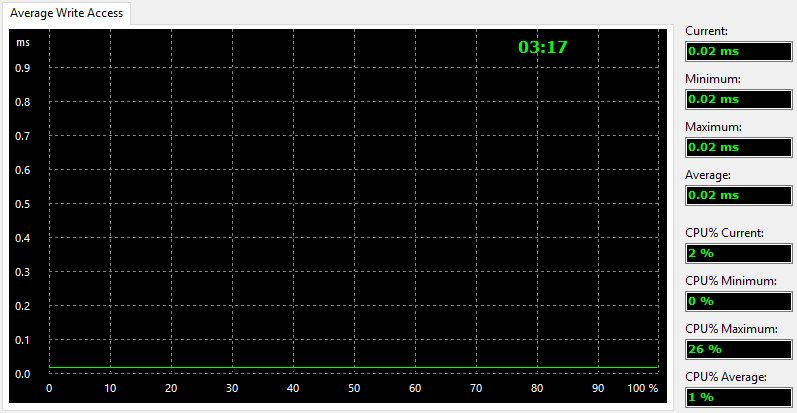
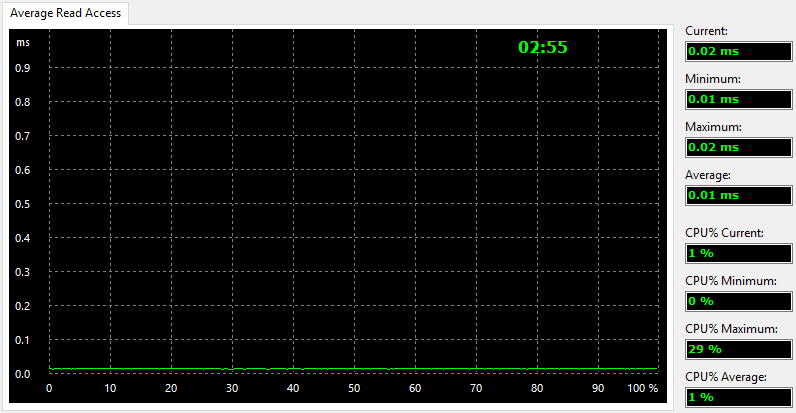
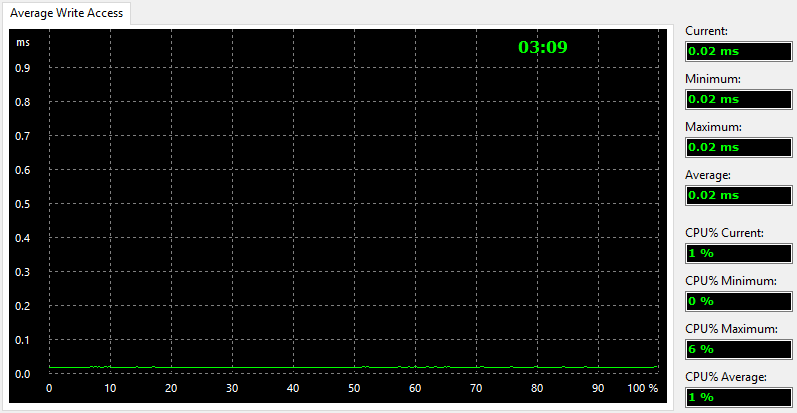
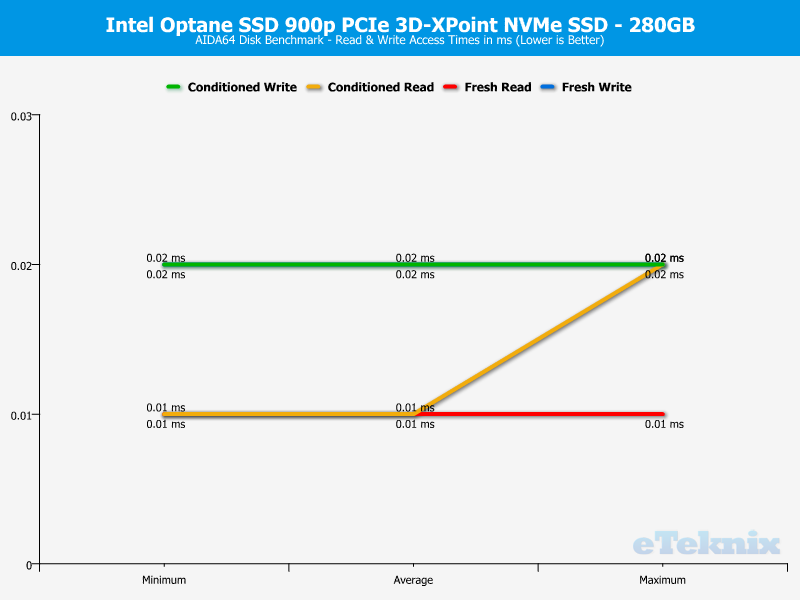
The Access time tests are designed to measure the data access performance by reading or writing small 0.5KB data blocks at random locations on the drive surface.
Conditioned Drive
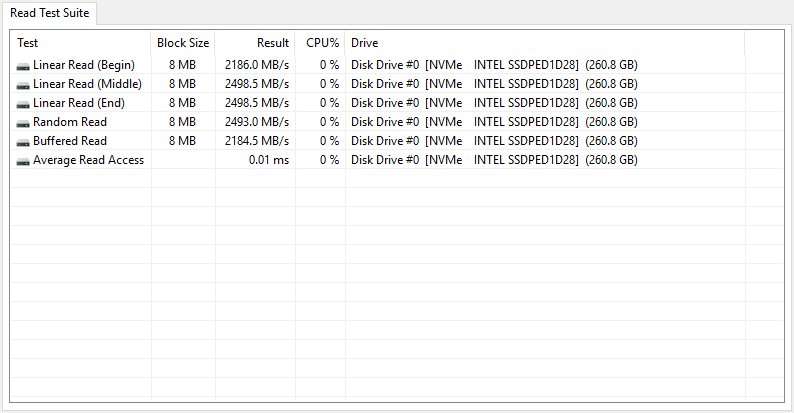
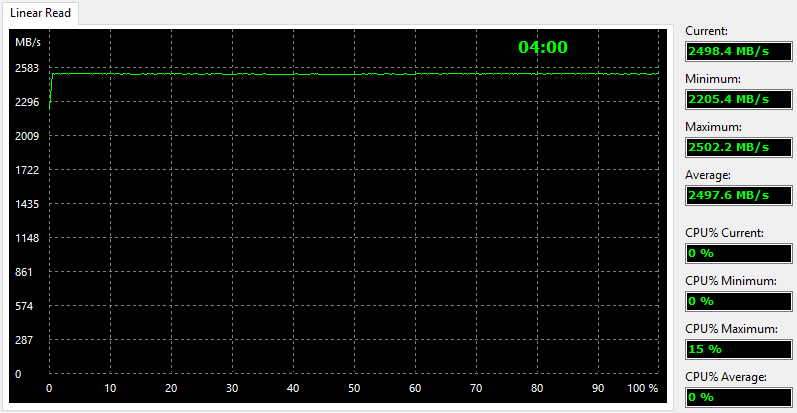
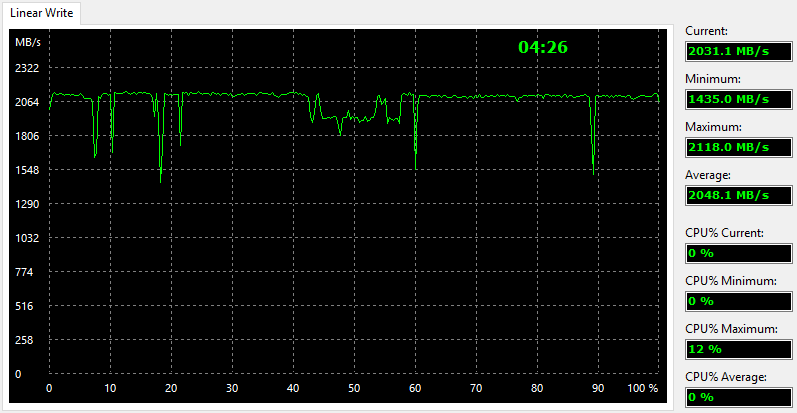
The Linear Read and Write tests measure the sequential performance by reading or writing all sectors without skipping any. It gives us a view of the drives overall performance from start to end.
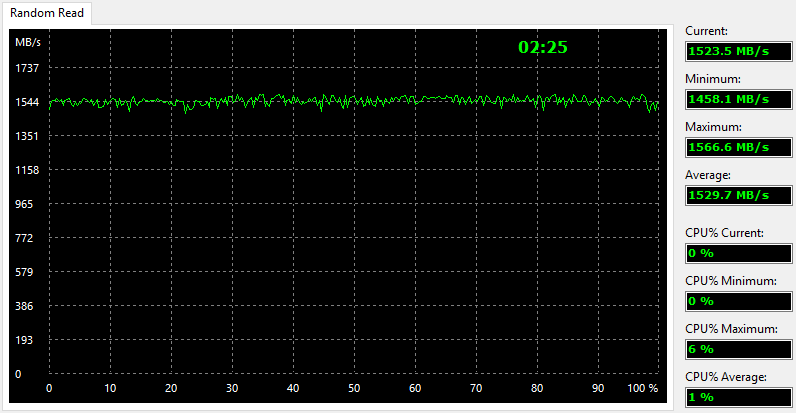
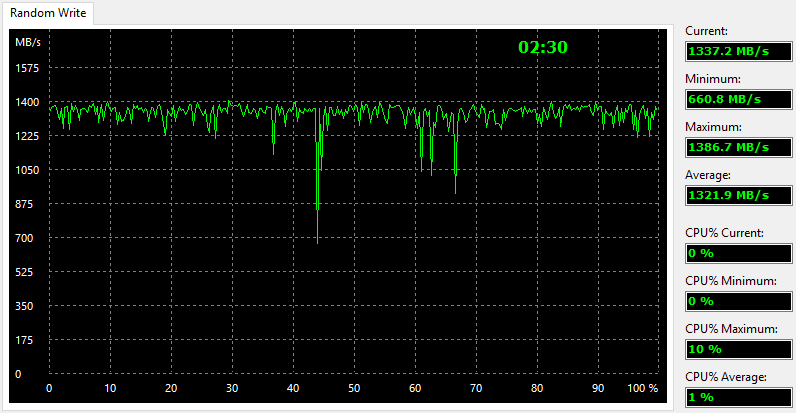
The Random Read and Write tests measure the random performance by reading or writing variable-sized data blocks at random locations on the surface of the drive. The Random tests are a combination of both speed and access times as it moves the position before each new operation.
The Access time tests are designed to measure the data access performance by reading or writing small 0.5KB data blocks at random locations on the drive surface.
Drive Performance Analysis














sorry but what are the advantages in the real world if you do not report these tests:
– windows 10 start up time
– photoshop applications, premiere, etc., startup up time
– h264 video file conversion, ecc.
your test without this information is not complete …
Hi Pauls
When we test storage drives, we test them separate from the OS drive. Testing from an OS drive won’t show the full potential of a drive and might create interference in the results. As such, a boot time isn’t available. For SSDs, no matter which one, the boot time is so fast anyway that there is no reason to measure it – in my opinion. It really doesn’t matter if it takes you 4.5 or 4.7 seconds to boot windows, or does it? It’s something else for drives with caching technology such as SSHDs or when you use an Optane caching module. In those cases, boot times are important and will be compared.
App and game loading testing is available through the PCMark 8 Storage test and they are easily compared to all the previous drives we’ve tested. As the apps themselves don’t show or log their start time, there is no real way to measure it with comparable figures. Using a stopwatch, for example, would be way too inaccurate. There’s also the matter of costs of the software, the Adobe Suite isn’t exactly cheap and we do not work with pirated software.
If you got any applicable test ideas for the video conversion test, let us know and we’ll see if that’s something worth incorporating into future reviews.
Hi there,
in my opinion it is very important to test the drive as a system drive and measure OS boot time and real world applications performance. Most of us (if not all of us) are going to use this drive as a system drive. Optane 900p is either too expensive or having not enough capacity for all other applications.
Intels last “consumer” SSD 750 has a huge performance drop in terms of OS booting time (I’m not talking about 4.5 or 4.7 seconds, it was > 20 seconds). So it would be very useful, if you could extend your test and measure at least this value.
Sorry for my bad English.
Thank you for the reply
unfortunately you have not tested a samsung 960 so I can not make a comparison,
but by reading the pc mark 8 data it seems that in the real world the differences are minimal even though it has absolute values in 4k that no other ssd has at this time.
For video conversion tests you could try it with handbrake that is free
I agree with paul. wheres the comparison to the 960 pro 512gb m.2 ssd? is it obsolete already?
Sadly Samsung isn’t working with us, so we have no 960 pro results to compare it to.